The Rise Of Sleepmaxxing
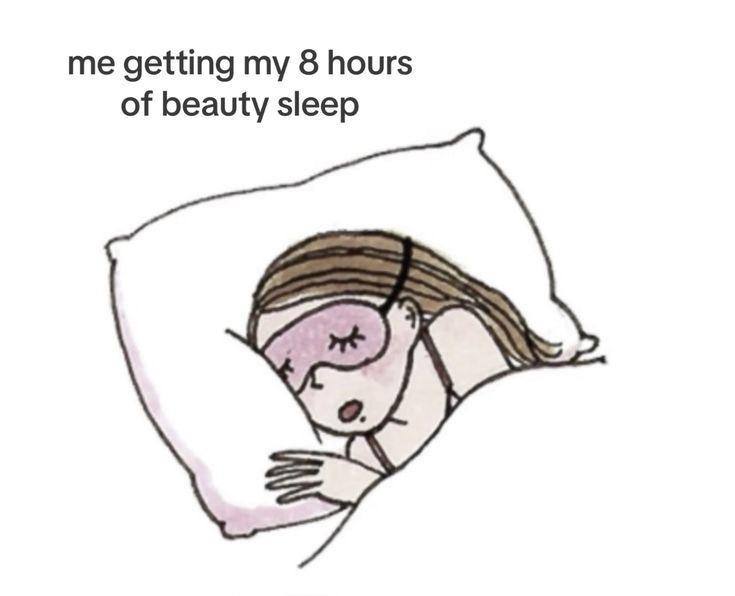
Sleepmaxxing is one of the latest wellness trends taking over social media.
The concept sounds simple enough. Improve sleep quality through better habits, sleep hygiene, reduced screen time, supplements, light exposure and healthier routines. In principle, there is nothing wrong with this. Sleep plays a critical role in emotional wellbeing, anxiety management, cognitive function and overall mental health. Therapists, psychologists and healthcare professionals have long emphasised the importance of quality sleep.
The problem is not sleeping. The problem is what happens when sleep becomes another thing to perfect. People who once struggled with stress are now stressing about sleep. They monitor sleep scores. Track sleep cycles. Analyse recovery metrics. Research supplements. Compare routines. Worry about whether they slept deeply enough.
Ironically, many individuals seeking therapy for anxiety report becoming increasingly anxious about doing wellness correctly.
The pursuit of wellbeing becomes a source of distress.
When Self-Care Becomes Self-Surveillance
Modern wellness culture encourages constant monitoring. Track your sleep. Track your mood. Track your calories. Track your habits. Track your stress. Track your productivity. Track your healing. Track your progress. At first glance, this seems helpful.
Awareness can certainly support behavioural change. However, there is a fine line between awareness and surveillance. Many people are no longer listening to their bodies. They are listening to dashboards. Instead of waking up and asking how rested they feel, they check an app. Instead of trusting their energy levels, they wait for data to tell them how they should feel.
The body becomes a project. The mind becomes a spreadsheet. And life starts feeling strangely mechanical.
The Wellness Industry Thrives On Insecurity
Many wellness trends are built on a simple promise. You are one routine away from becoming your best self. One supplement away from better focus. One morning ritual away from happiness. One productivity hack away from success. One sleep protocol away from optimal health.
The problem is that there is no finish line. Once one routine becomes normal, another appears. The goalposts keep moving. There is always another habit to adopt. Another ritual to master. Another area to optimise.
For individuals already struggling with anxiety, overthinking or perfectionism, this can create a relentless sense of inadequacy.
No matter how much they improve, it never feels like enough.
Why Productivity Culture Has Invaded Wellness
For years, success was measured through achievement. Career growth. Income. Status. Accomplishments.
Today, that same mindset has entered the wellness space.
People now compete over:
- Morning routines
- Meditation practices
- Fitness habits
- Sleep schedules
- Self-care rituals
- Healing journeys
Rest itself has become productive. Sleep is no longer simply sleep. It is recovery. Meditation is no longer relaxation. It is optimisation. Exercise is no longer movement. It is a performance enhancement.
Even leisure increasingly requires justification. Many people struggle to do something simply because they enjoy it. Everything must provide a measurable return.
The Hidden Link Between Wellness Culture And Anxiety
One of the most common themes in therapy sessions today is the pressure to constantly improve. People are exhausted.
Not because they are failing. But because they are trying too hard. Trying to be healthier. Trying to be more productive. Trying to be more mindful. Trying to heal faster. Trying to become better versions of themselves.
The modern wellness landscape often suggests that discomfort is a problem that must be fixed immediately. But human beings are not machines.
We are not designed to function at peak performance every day. We get tired. We lose motivation. We have bad days. We experience uncertainty. These experiences are not evidence of failure. They are evidence of being human.
What Actually Supports Mental Wellbeing?
Research consistently shows that mental wellbeing is often supported by surprisingly ordinary habits. Regular sleep. Meaningful relationships. Physical movement. Community. Purpose. Play. Rest.
None of these things require
optimization. They require consistency. The healthiest routine is often not the most impressive one. It is the one you can sustain without becoming obsessed by it.
Perhaps We Need Less Optimisation And More Trust
Sleep matters. Exercise matters. Mental health matters. Wellness matters. But there is a difference between caring for yourself and constantly trying to improve yourself. One creates wellbeing. The other can create anxiety. The goal of mental health is not to become a perfectly optimised human being.
The goal is to develop a healthier relationship with yourself. To trust your body. To listen to your needs. To rest without guilt. To enjoy life without measuring every outcome. Perhaps the question is no longer how to optimise everything. Perhaps the question is whether everything needs optimization in the first place.
If your pursuit of self-improvement is leaving you feeling overwhelmed, anxious or emotionally exhausted, speaking with a
qualified therapist can help you build a healthier relationship with achievement, productivity and wellbeing. Sometimes the most radical thing you can do in a culture obsessed with optimisation is simply allow yourself to be human.
MANSI THERAPY - SLEEPMAXXING