One fine day
on my couch

Tools to Feel Safe in the Body

Safety in the body is rebuilt slowly, through repetition and gentleness. It’s about teaching the nervous system new familiarities — warmth, rhythm, breath, and presence.

Read More
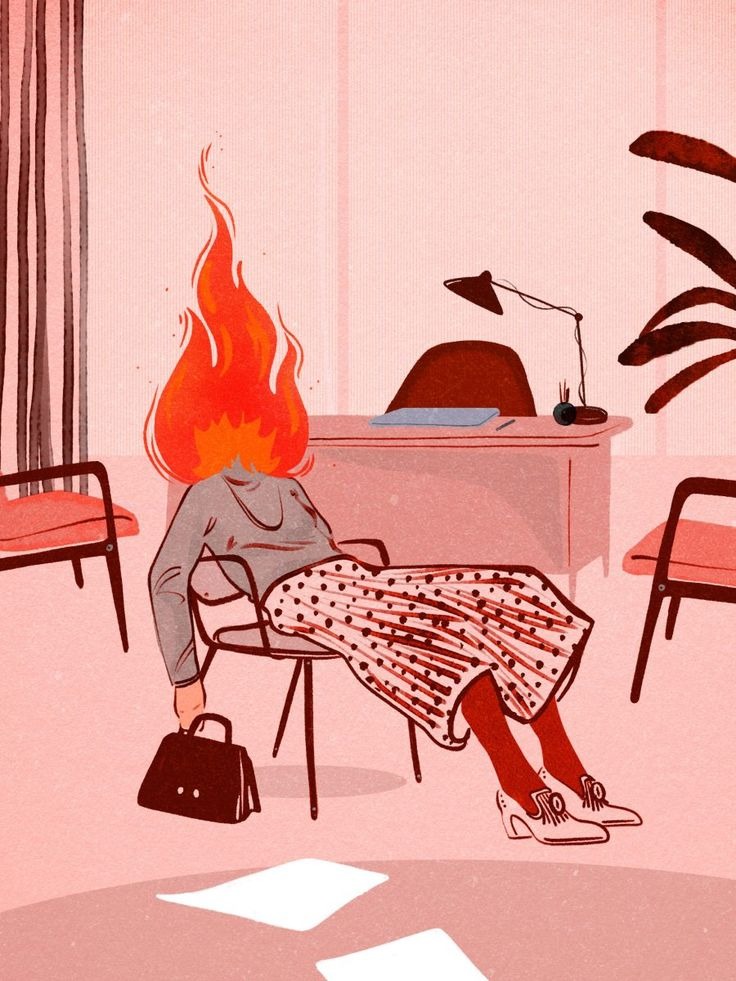
What Does Safety Feel Like in the Body?

Safety in the body feels like ease, grounding, warmth, and connection — a gentle hum of enoughness where the nervous system can simply rest and you can just be.

Read More
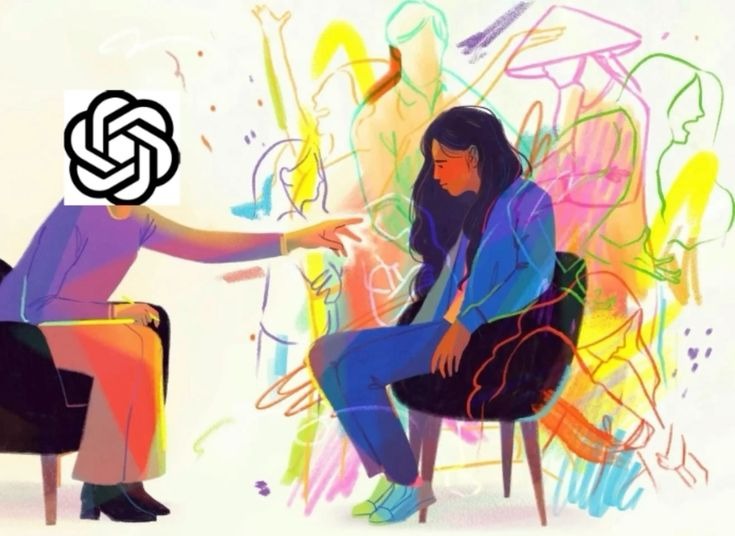
Feminine Archetypes in Indian Mythology and Their Reclamation

Feminine Archetypes in Indian Mythology and Their Reclamation refers to the process of revisiting powerful mythological figures-like Kali, Durga, Saraswati, Lakshmi, Sita, Radha, and others-not just as deities to be worshipped, but as psychological and symbolic blueprints for healing, identity, and empowerment.

Read More
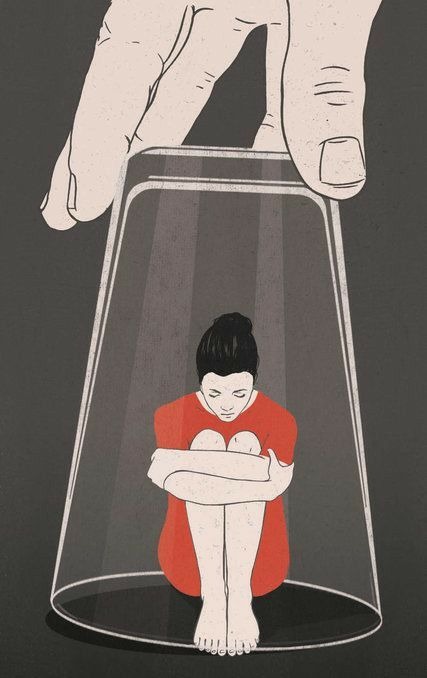
Unveiling the Sacred Self: Healing the Emotional Wounds of Indian Womanhood

For generations, Indian women have silently carried the weight of cultural conditioning that diminishes their emotional freedom, autonomy, and voice.

Read More
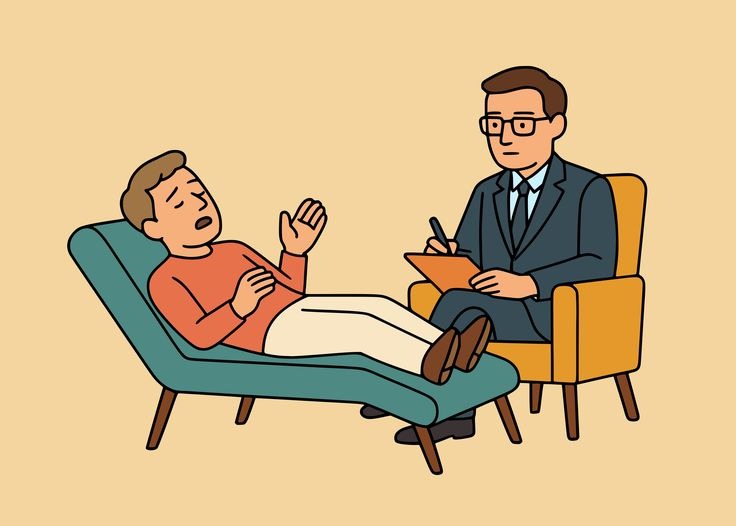
The Spiritual Trauma of Being Silenced

"The spiritual trauma of being silenced" refers to a deep, often invisible wound that goes beyond psychological or emotional harm-it's a rupture in a woman's sense of self, truth, and soul. In many patriarchal and hierarchical cultures-including in Indian society-girls are taught early on to mute their voice, intuition, emotions, and needs.

Read More
What Is Spiritual Trauma and How It Manifests in Indian and Patriarchal Cultures

Spiritual trauma is a deep, often invisible form of wounding that disrupts an individual's connection to their inner truth, voice, vitality, and sense of sacred self. It occurs when our essential identity or aliveness is denied, suppressed, or punished-often in the name of culture, family, religion, or morality.

Read More
Body Shame and Its Colonial + Patriarchal Roots

Body shame and its colonial + patriarchal roots refers to how Indian women's relationships with their bodies have been shaped by both patriarchal control and colonial influence, leading to widespread internalized shame around appearance, desire, aging, and embodiment.

Read More
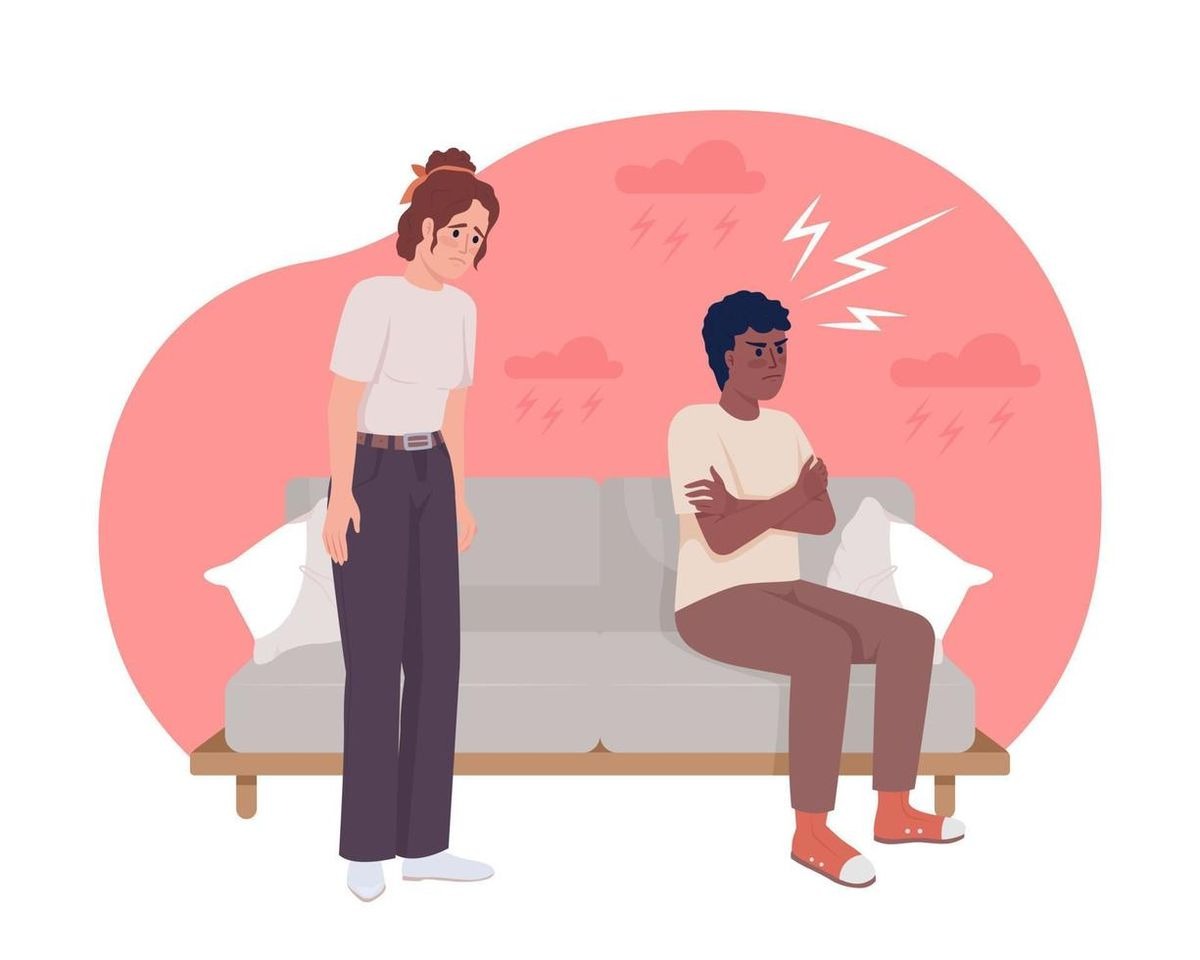
Estrangement: A Taboo Topic in Indian Households

It's seen as unthinkable, shameful, or even selfish. In a culture where family is considered sacred and duty to parents is emphasized from childhood, the idea that a person might choose separation for their mental or emotional well-being is deeply taboo.

Read More

The 'Good Girl' Syndrome: How Cultural Conditioning Harms Indian Women's Mental Health

In Indian culture, many women are raised to embody the ideal of the "good girl"-a woman who is obedient, self-sacrificing, quiet, and always puts others before herself.
Read More

Shame Around Anger, Desire, Sexuality, and Ambition: The Silent Struggle of Indian Women
In many Indian households, girls are raised to be polite, pleasing, and passive. While these qualities are often celebrated, they come with an unspoken rule-suppress any emotion, impulse, or ambition that challenges the status quo.

Read More

Boundary-Setting as an Act of Courage in Collectivist Culture

In collectivist cultures like India, the family unit is central to identity, belonging, and survival. Individual desires are often expected to be subordinated to the needs of the group-whether it's parents, extended family, or the community.

Read More

Emotional Parentification and Its Hidden Scars in Indian Families

This dynamic, known as emotional parentification, occurs when a child is placed in the role of emotional confidante, mediator, or caretaker for adults who are unwilling or unable to regulate their own emotions.

Read More

What "Respect" Really Means in a Trauma-Informed Context

In many traditional cultures, including Indian society, "respect" is often defined by hierarchy, obedience, and compliance. Children are taught to respect elders by remaining silent, not questioning authority, and prioritizing family reputation over personal truth.

Read More

The Psychology of Shame and Honour in Indian Families

In Indian families, shame and honour are not just personal experiences-they are collective currencies that shape identity, belonging, and behavior. From childhood, individuals are taught that their actions reflect on the family's reputation.

Read More

Redefining Relationships: From Codependency to Conscious Connection

It's time to shift that narrative. It's time to redefine relationships from codependency to connection-rooted in authenticity, boundaries, and mutual respect. What Is Codependency?

Read More

The Good Indian Woman Problem: How Cultural Conditioning Silences Female Agency

In Indian society, the archetype of the "good woman" is revered-and deeply problematic. She is expected to be self-sacrificing, soft-spoken, family-oriented, and obedient. She exists for others: to serve her husband, raise children, uphold her family's honor, and put everyone's needs before her own.

Read More

From Shame to Healing: My Journey to Becoming a Trauma Therapist in India

Discover how personal trauma, childhood bullying, and emotional neglect led me to become a compassionate, trauma-informed therapist. A story of healing, presence, and purpose.

Read More

How to know if that friendship is worth taking the effort of repairing?

Repairing a broken friendship takes effort and willingness from both sides, but it can be worth it to mend a valuable connection. Deciding whether to put effort into repairing a friendship can be tough. Ask yourself: miss them? Good times outweigh bad? They make you a better person?

Read More

What Is C-PTSD? Understanding Complex Post-Traumatic Stress Disorder By Mansi Poddar, MA, CCTP/CCTP II, SEP

@mansitherapy | www.mansitherapy.com

Read More

STARTING YOUR JOURNAL TOWARDS HEALING VAGINISM

Whatever your feelings are towards your vagina, you are not alone.

Read More

DOES LOVE HURT? LOVING A PARTNER WITH BORDERLINE PERSONALITY DISORDER

Caring about someone with borderline personality disorder (BPD) tosses you on a roller coaster ride from being loved and lauded to being abandoned and bashed.

Read More

HEALTHY BRAIN PRESCRIPTION

By following these principles, not only will you be happier, your brain will rewire for happiness and make you a generally less anxious person.

Read More

MY KENSHO TO SATORI LIFE

If you’re deeply engaged in your own personal growth, you’ll experience more Satori moments - and fewer Kensho moments.

Read More

ARE YOU ASKING THE RIGHT QUESTIONS?

Most people have no time to sit and ask themselves tough questions that would alter their relationships and lives.

Read More

HONOURING MY EXPERIENCES

Today I honor ALL that I am and have experienced. I don’t know who I would be minus my trauma but I do know who I am due to my trauma.

Read More

If I let my inner critic free to talk, it would say...

I am an absolute loser and wreck….how did I think a person like me could be married happily or become successful? At the core of it, I am that same kid who was bullied and called a loser and failure.

Read More

Whats underneath that drink?

Leaving alcohol comes with grief. For the loss of these parts and the “fun” we had while drunk. I work on allowing the grief, it is many layered and ancient. I feel the grief of being abused, the grief of losing who I could have been, the grief of losing loved ones.

Read More

Why am I like this?

Where does this level of pain come from? Often people struggle with self-harm, deep emotional distress, fear of abandonment and rejection. Would eventually get a BPD diagnosis.

Read More

How hard did you work for love?

For some children love is to be earned. Our politeness, respect, agreeing with them. Good grades, sportsman, musician. Let me make them proud you say. Maybe then they will love me. Because if I don’t make them proud I let them down and if I let them down I won’t be loved.

Read More

Finding your voice after trauma

Trauma, has anyone asked you what happened to you? Have you asked yourself that and held space for what emerges and was? Can you for today, hear the sound of your OWN voice?

Read More

Growing Up

We walked on sharp shards of crystal glass called her "rage". No one knew when the physical blow would come for waking her up from a nap or not wanting to do homework.

Read More

KINTSUGI BECOMING WHOLE

You cannot mend yourself, heal yourself, with the broken shards of another. If you do, you get a broken, shattered mug, that looks ok on the outside, but when you pour water into it, it leaks through the cracks.

Read More

Designed and Developed by Folks Media
Photography - Upahar Biswas