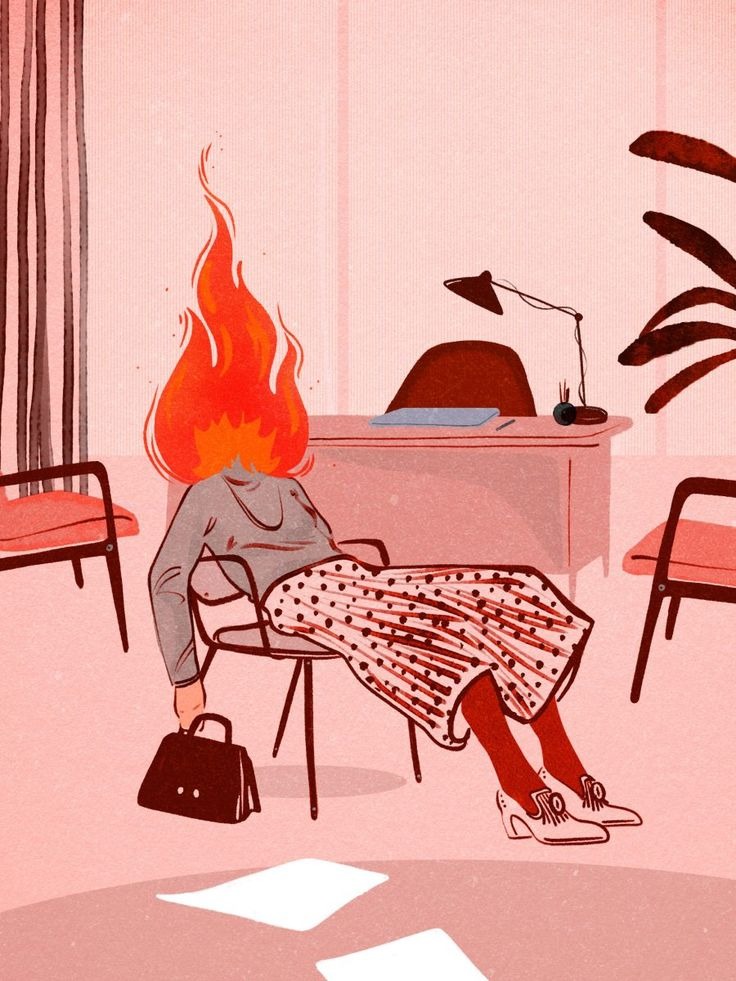
This can lead to a pattern where you feel temporarily better, but underlying issues remain unchanged.
Are You Avoiding Real Healing?
One of the most overlooked risks of AI therapy is avoidance.
Real healing often requires discomfort, accountability, and being challenged. AI tools are designed to be helpful and responsive, which means they often align with your perspective rather than question it.
Over time, relying heavily on an AI assistant may lead to:
- staying within familiar thought patterns
- avoiding deeper emotional work
- delaying professional help
- mistaking clarity for resolution
This creates a subtle but important shift. You are processing thoughts, but not necessarily transforming them.
The Problem With “ChatGPT Psychologist”
The growing popularity of the term “chatgpt psychologist” highlights a deeper issue. People are beginning to treat AI as a substitute for therapy.
This is where the risks of AI become more serious.
A therapist or psychologist builds an understanding of you over time. They identify patterns, challenge beliefs, and guide you through structured change. AI tools, whether powered through Google Cloud AI or similar technologies, do not have this capability.
They cannot:
- diagnose mental health conditions
- understand long term behavioural patterns
- provide personalised therapeutic frameworks
- take responsibility for outcomes
This gap becomes critical when dealing with anxiety, trauma, or emotional distress.
Emotional Dependency on AI Assistants
Another major concern is dependency.
Because AI assistants are always available, they can become the first response to emotional discomfort. Instead of sitting with emotions or reaching out to real people, individuals may turn to AI repeatedly.
This may result in:
- reduced emotional independence
- constant need for reassurance
- avoidance of human interaction
- reliance on instant feedback
While AI can provide short term comfort, overdependence can weaken long term emotional resilience.
AI Therapy vs Real Therapy
AI tools and human therapy serve different purposes.
AI assistants can help with reflection and organisation of thoughts. They are useful for quick clarity and immediate responses.
Therapy, however, is a structured process. A trained therapist builds a relationship with you, tracks your emotional patterns, and helps you work through difficult experiences over time.
This is where professional platforms like
Mansi Therapy become important. They offer personalised support that goes beyond surface level conversations and focuses on long term emotional growth.
When AI Can Be Useful
AI is not inherently harmful when used appropriately.
It can support:
- journaling and reflection
- organising thoughts before therapy
- exploring general mental health topics
However, understanding the risks of AI is essential. It should not replace therapy, especially when deeper emotional work is required.
When to Seek Real Help
If you find yourself relying heavily on AI assistants but still feeling stuck, overwhelmed, or unclear, it may be time to seek professional support.
Consider therapy if:
- emotional patterns keep repeating
- anxiety or stress feels persistent
- self help tools are no longer enough
- you feel dependent on AI for emotional clarity
Working with a therapist provides guidance, accountability, and a deeper understanding of your experiences.
Final Takeaway
The rise of AI therapy, powered by systems from companies like OpenAI and Google Cloud AI, reflects a growing need for accessible mental health support.
AI can offer comfort and clarity in the moment.
But it cannot replace the depth, continuity, and human insight required for real healing.
If you are using AI to process emotions, it is worth asking yourself one question.
Are you moving forward, or staying in place with better explanations?
Real healing requires more than responses. It requires guidance, challenge, and connection over time.
MANSI THERAPY - The Hidden Risk of AI Therapy